Intervention Radiology
- Medical Specialities
- Intervention Radiology
Non-Surgical Treatments through Intervention Radiology at Zydus Hospitals.
Key Features:
-
 Minimal Invasion
-
Minimal Pain
-
Minimal Recovery Time

Varicose Veins
What are Varicose Veins?
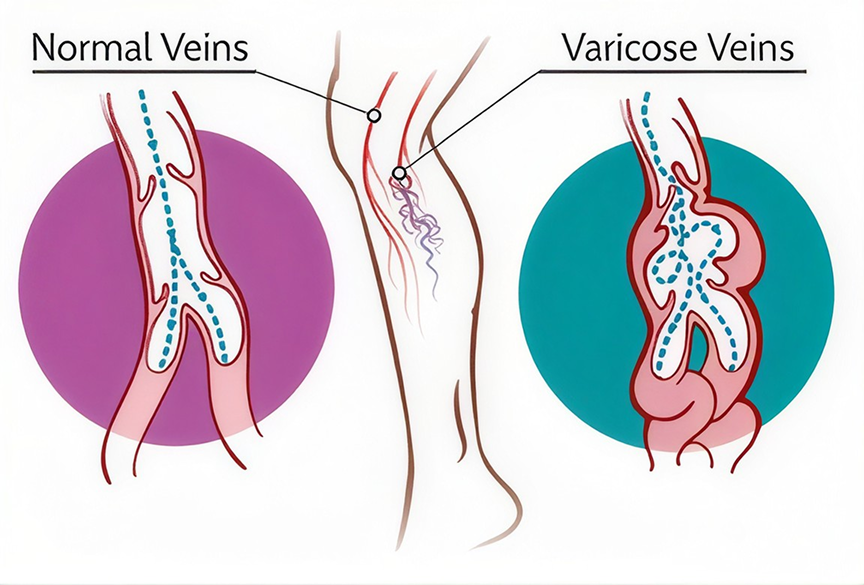
When the veins grow, dilate, and become overfilled with blood, it causes varicose veins, also known as varicoses or varicosities. They usually have a bluish-purple or red appearance and seem bloated and bulging. They generally tend to develop in the legs and can be increasingly painful for the patient, if left untreated.
Risk Factors
- Aging
- Gender (mostly found in females)
- Pregnancy
- Family history
- Obesity
- Sitting or standing in one place for a long time often
Symptoms of Varicose Veins
- Pain & swelling in legs
- Muscle cramps and itching
- Visible bluish pigmentation
- Dilated veins
- Ulceration (in advanced stages)
Stages of Varicose Veins
Stage 1
The veins in the affected area of the leg appear swollen and become darker in color. There may be negligible to minimal pain at this initial stage.
Stage 2
Swelling increases at this stage. There is also increasing inflammation in legs and ankles due to obstructed blood flow.
Stage 3
The skin around the affected area becomes discolored and gains a leather-like texture.
Stage 4
This is the most severe stage of Varicose Veins, where ulcers and open sores are found. Chronic insufficiency of blood flow in legs cause these ulcers.
Treatment for Varicose Veins
Varicose Veins can be treated by obliterating the abnormal veins using the following methods –
- Glue Injection (Chemical Ablation)
- Laser Ablation (laser treatment for varicose veins)
- Radiofrequency Ablation (RFA)
- Percutaneous Sclerotherapy
For information about varicose vein treatment in Ahmedabad, visit the Interventional Radiology department at Zydus Hospitals.
Refer the Experts: Dr. Divyesh Dadhania and Dr. Saketh Rao.
Thyroid Swelling
What is Thyroid swelling?
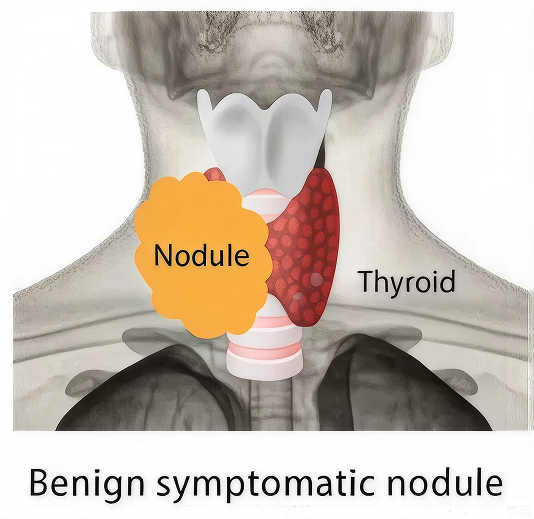
The thyroid (neck region) may become enlarged and develop swelling, or in some cases, small lumps can develop, also known as thyroid nodules, resulting in visible change or shift in the particular region.
Symptoms of Thyroid Swelling:
- Visible neck swelling
- Cough
- Difficulty in speaking, breathing, or swallowing
- Pain in the affected area
- Weak metabolism
- Unexplained drastic change in weight
Treatment for Thyroid Nodules
Interventional Radiology brings the choice of Ultrasound-guided, advanced day-care, Non-surgical treatment for thyroid swelling –
- Microwave Ablation
- Radio Frequency Ablation (RFA)
- Laser
- Chemical
- Percutaneous Sclerotherapy
This page provides information about thyroid nodule ablation in Ahmedabad at Zydus Hospitals.
Prostate Enlargement
What is Prostate Enlargement?
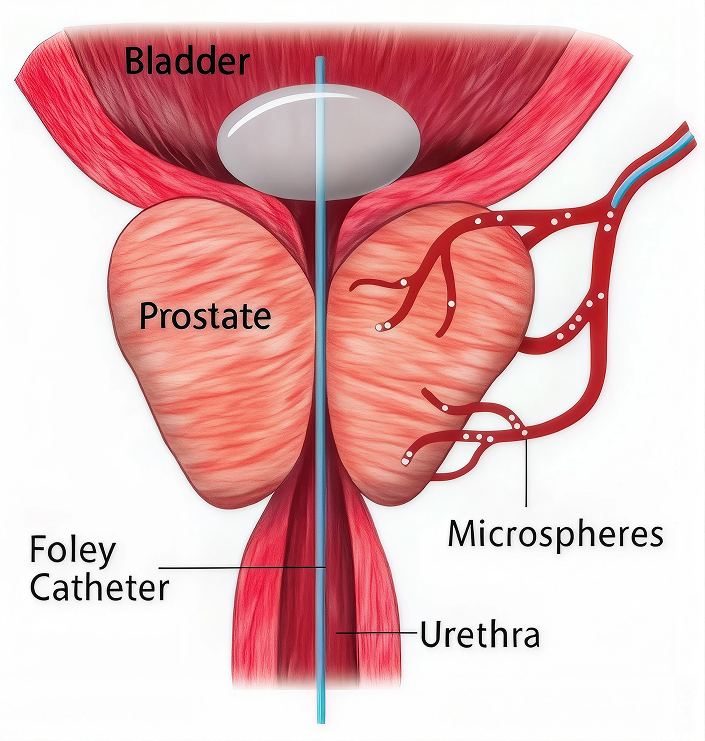
Prostate Enlargement, also called Benign Prostatic Hyperplasia (BPH) is a condition in men in which the prostate gland gets enlarged to such an extent that it presses against the urethra casuing obstruction in the urine flow. This may also result into frequent urge to pass the urine yet the feeling of fullness, in the bladder.
More than 50 percent of men in their 60s may encounter this, and as many as 90% of them aged between 70 to 89 years have some or the other symptoms of BPH.
Risk Factors
Men with the following factors are more likely to develop Prostate Enlargement –
- 50 and above years of age
- Family history of prostate enlargement
- Lack of physical exercise
- Medical conditions such as Obesity, Type 2 Diabetes, Heart & Circulatory Diseases
Symptoms of Prostate Enlargement
- Increased urinary frequency
- Dribbling at the end of urination
- Difficulty starting urination
- Urinary retention
- Preventing bladder from emptying
- Incontinence
- Straining to urinate or weak urine stream
Treatment for Prostate Enlargement
Prostate Enlargement can be successfully treated by Prostatic Artery Embolisation (PAE) – a non-surgical option that involves angiography and stop blood supply to the prostate gland, causing it to shrink. Through PAE, the lower urinary tract symptoms (LUTS) caused by Prostate Enlargement can be improved, with lower risk of sexual side effects (such as erectile dysfunction and retrograde ejaculation) and Urinary Incontinence, common with surgery.
Benefits
- Shorter hospital stay and recovery time
- Low risk of sexual side effects
- Low risk of urinary incontinence
- Shorter urinary catheterization time (may be avoided completely)
- Decreased discomfort
For information about enlarged prostate treatment in Ahmedabad, see the Interventional Radiology and Urology departments at Zydus Hospitals.
Uterine Fibroids
What are Uterine Fibroids?
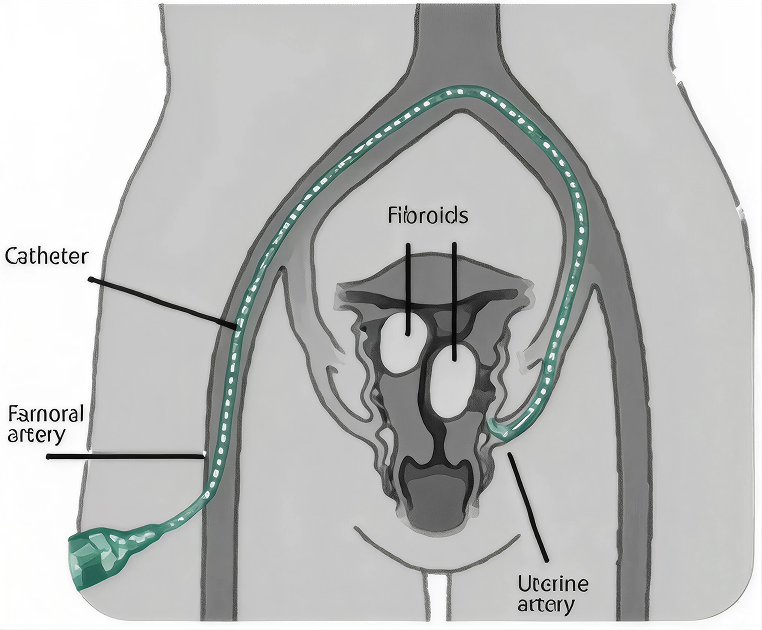
Uterine Fibroids, also called leiomyomas or myomas, are non-cancerous growth, that develop from the muscle and connective tissue from the wall of the uterus.
They may not cause problems, but if they become large or multiply in numbers, they can result in painful symptoms. They also vary in size, number, and location within the uterus.
Symptoms
The common symptoms of Uterine Fibroids include:
- Heavy menstrual bleeding
- Menstrual periods lasting more than a week
- Pelvic pressure or pain
- Frequent urination
- Difficulty emptying the bladder
- Constipation
- Backache or leg pains
Treatment for Uterine Fibroids
Uterine fibroids can be successfully treated by Uterine Artery Embolisation (UAE), also called uterine fibroid embolisation (UFE). UAE is a non-surgical treatment option which resorts to blocking the arteries that feed the fibroids (uterine arteries), thus reducing the blood flow into the fibroids and making them shrink.
After UAE, patients are able to find much-needed relief from the many painful symptoms of the fibroids, and an overall improvement in their physical, mental, as well as emotional health.
Information about uterine fibroid embolisation in Ahmedabad is available through the Interventional Radiology department at Zydus Hospitals.
Joint Pain Management
What is Joint Pain?
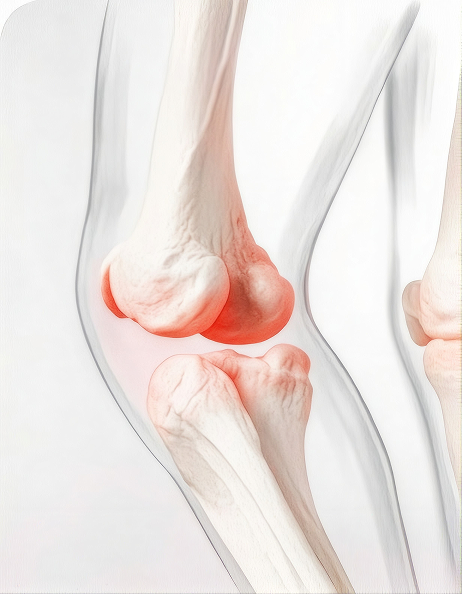
Joint pain is quite common and typically manifests in the ankles, knees, shoulder, spine or elbow. It may be ongoing or intermittent. The affected joint may feel stiff, achy, or sore. Excessive activity could worsen the pain.
Symptoms of Joint Pain
- Pain & swelling in joints
- Stiff or enlarged joint
- Numbness
- Clicking, snapping or grinding sounds from joint
- Painful movement
- Red & hot, swollen joint
Types of Joint Pain:
- Osteoarthritis related Knee pain
- Frozen shoulder
- Ankle/Heel pain related to planter fascitis and achilles tendinitis
- Elbow pain related to tennis elbow
Treatment for Joint Pain
Interventional Radiology offers non-surgical treatment options for joint pain by angiography and embolisation of abnormal (moya-moya) vessels which are the cause of synovitis and inflammatory pain.
For information about joint pain management in Ahmedabad, see Zydus Hospitals’ Interventional Radiology and Orthopaedics departments.
Peripheral Vascular Disease (PVD)
What is Peripheral Vascular Disease (PVD)?
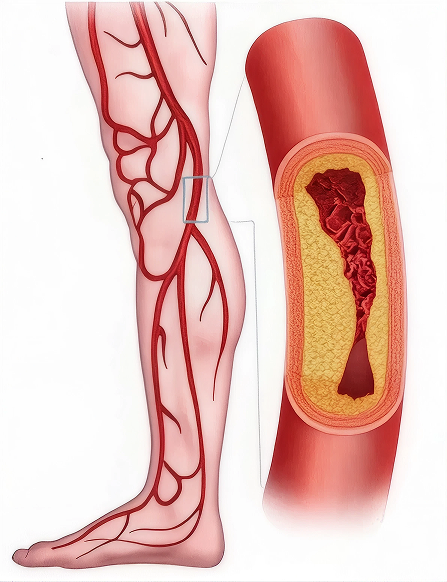
Peripheral Vascular Disease (PVD), also called Peripheral Arterial Disease (PAD) is a slow and progressive blood circulation disorder that causes the blood vessels outside of the heart and brain to narrow, block, or spasm.
PVD can affect any blood vessel outside of the heart including the arteries, veins, or lymphatic vessels. Organs supplied by these vessels, such as the brain, and legs, may not get enough blood flow for proper function.
Risk Factors for Peripheral vascular disease:
Some risk factors which increase the possibility of PVD are:
- Ageing (especially older than age 50)
- Diabetes
- Smoking / Tobacco use/ Alcohol consumption
- Atherosclerosis
- Trauma to feet
- Vasculitis
- Obesity
- Kidney disease
- Nerve damage
Symptoms of PVD:
Common symptoms of PVD include:
- Claudication (leg pain during walking)
- Rest pain / Night pain
- Gangrene
- Non healing Skin ulcer/ wound
- Foul smell, Drainage of fluid or pus from the wound
- Swelling, Numbness
- Blisters or other wounds on the foot
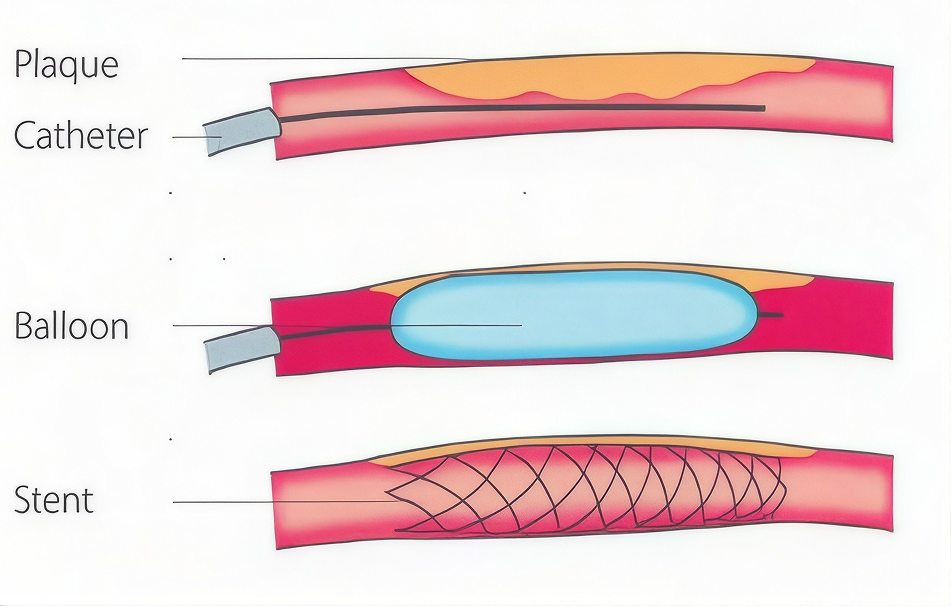
Treatment for Peripheral Vascular Disease
Peripheral Vascular Disease-related conditions can be successfully treated with the help of Interventional Radiology by Arterial Angioplasty and Stenting. It improves blood flow, relieves pain, promotes wound healing, and minimizes tissue loss.
Benefits of Arterial Angioplasty and Stenting
Following are the benefits of Arterial Angioplasty and Stenting –
- Less invasive and relatively low-risk, low-cost procedures, as compared to surgeries
- Performed using local anesthesia, and thus no extended stay in the hospital
- No surgical incision or stitches necessary
- Quick resumption of everyday life
For information about peripheral vascular disease treatment in Ahmedabad and peripheral angioplasty, see the Interventional Radiology department at Zydus Hospitals.
Refer the Experts: Dr. Divyesh Dadhania and Dr. Saketh Rao.
Procedures:
- Various Embolization techniques for tumours, prostate, uterine fibroid, joint pain etc.
- Angiography & vascular Stenting
- PTBD and biliary stenting
- Chemical and Laser Ablation for varicose veins
- TIPSS and BRTO for portal hypertension
- Radio frequency and microwave Ablation for tumors
- Percutaneous Sclerotherapy
- Image guided drain placement and biopsies and many more

Our Doctors