Kidney Failure Explained: Symptoms, Causes, and Different Types
Introduction: Understanding Kidney Failure and Why It Matters
Kidneys perform several essential functions in the body every day. They remove waste, balance fluids, regulate minerals, help control blood pressure, and support the production of red blood cells. When these organs stop functioning properly, it can affect almost every system in the body.
Kidney failure happens when the kidneys lose their ability to filter waste and excess fluid effectively. This can happen suddenly or develop slowly over time. Since early symptoms are often mild and may go unnoticed without routine health screening, timely diagnosis plays an important role in preventing further complications.
Worldwide, kidney disease is becoming more common due to rising cases of diabetes, hypertension, obesity, and unhealthy lifestyle habits. With greater awareness, regular health screenings, and proper medical care, many kidney-related complications can be prevented or managed effectively.
What Is Kidney Failure?
Understanding the Role of the Kidneys
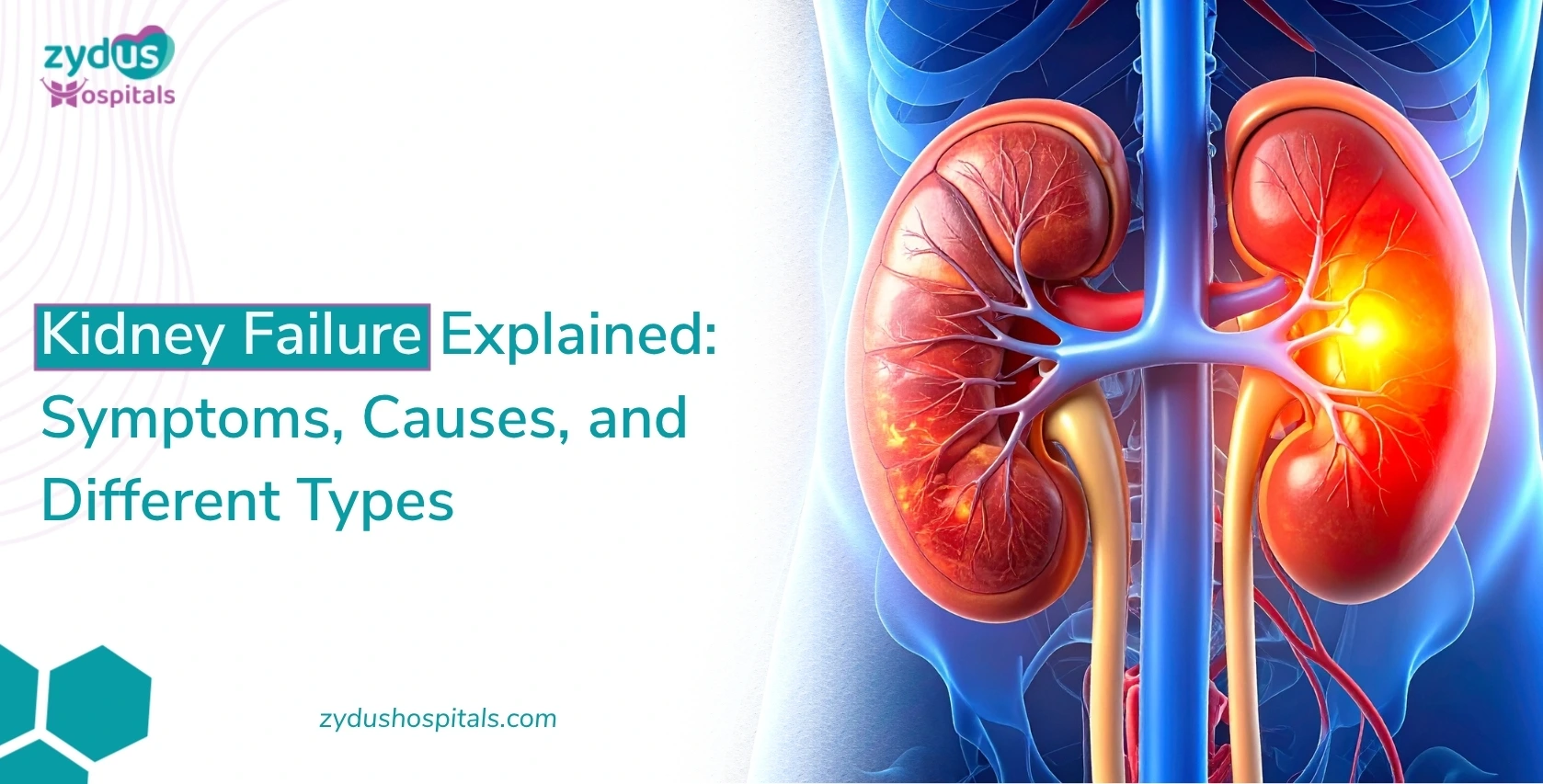
The kidneys are two bean-shaped organs located on either side of the spine. Their main role is to filter waste products and extra fluids from the blood, which are then removed through urine.
Apart from filtering waste, the kidneys also help maintain electrolyte balance, regulate blood pressure, support bone health, and assist in red blood cell production.
When the kidneys stop functioning properly, toxins and fluids start building up inside the body. This can lead to swelling, fatigue, breathing difficulty, and several life-threatening complications if not treated in time.
Kidney Disease vs. Kidney Failure
Kidney disease refers to gradual damage to the kidneys over time. Chronic kidney disease (CKD) may remain unnoticed in the early stages because symptoms often develop slowly.
Kidney failure is the advanced stage where kidney function becomes severely reduced or stops almost completely. If untreated, chronic kidney disease can progress to end-stage kidney failure, also called end-stage renal disease.
Understanding the difference helps patients seek timely care before permanent kidney damage develops.
Types of Kidney Failure
1) Acute Kidney Injury (AKI)
Acute Kidney Injury is a sudden decline in kidney function that develops within hours or days. Common kidney failure causes behind AKI include:
- Severe dehydration
- Major infections
- Blood loss
- Certain medications
- Reduced blood supply to the kidneys
Some cases are temporary and reversible if treated early. However, severe injury can lead to lasting damage.
Acute kidney failure treatment usually focuses on correcting the underlying cause, restoring fluid balance, and monitoring kidney function closely.
2) Chronic Kidney Disease (CKD)
Chronic Kidney Disease develops gradually over months or years. Long-term conditions such as diabetes and high blood pressure slowly damage kidney tissues.
Doctors classify Chronic Kidney Disease (CKD) into five stages based on how effectively the kidneys filter waste. Early stages may show minimal symptoms, while Stage 5 indicates severe kidney failure or end-stage renal disease requiring advanced treatment.
In advanced stages, end stage renal disease treatment may involve dialysis or kidney transplantation.
Early Signs and Symptoms of Kidney Failure
Common Symptoms to Watch For
Many kidney failure symptoms develop gradually. Some of the commonly reported symptoms include:
- Persistent fatigue and weakness
- Swelling in the legs, ankles, or feet
- Changes in urination frequency or appearance
- Trouble sleeping
- Muscle cramps
These signs may appear mild initially, but early medical evaluation is recommended, particularly for individuals with diabetes or hypertension.
Symptoms People Often Ignore
Some early signs of kidney failure are subtle and mistaken for routine health issues.
These include:
- Puffy eyes, especially in the morning
- Foamy urine caused by protein leakage
- Dry and itchy skin
- Loss of appetite
- Difficulty concentrating
Recognizing these symptoms early can help prevent worsening kidney damage.
Advanced Symptoms of Kidney Failure
As kidney function continues to decline, symptoms become more serious.
Advanced renal failure symptoms and treatment needs may involve:
- Shortness of breath
- Nausea and vomiting
- Chest pain or pressure
- Severe weakness
- Confusion or altered mental state
At this stage, immediate medical evaluation becomes necessary.
Causes of Kidney Failure
Medical Conditions That Damage the Kidneys
Several long-term health conditions can gradually damage kidney tissues.
The most common causes include:
- Diabetes leading to diabetic kidney disease
- High blood pressure damaging kidney blood vessels
- Glomerulonephritis, which causes inflammation in kidney filters
- Recurrent kidney infections
People with poorly controlled diabetes are at particularly high risk and may eventually require specialized chronic kidney disease treatment.
Other Causes and Risk Factors
Other factors that increase the risk of kidney failure include:
- Severe dehydration
- Kidney stones or urinary tract blockage
- Long-term overuse of painkillers
- Autoimmune disorders such as lupus
- Genetic kidney disorders
In some patients, multiple risk factors combine and slowly worsen kidney function over time.
How Kidney Failure Is Diagnosed
Kidney Function Tests and Medical Evaluation
Doctors use several tests to assess kidney health and identify the types of kidney failure.
Common diagnostic tests include:
- Blood tests for creatinine, urea, and eGFR
- Urine tests to detect protein or albumin
- Ultrasound or CT scans
- Blood pressure monitoring and physical examination
Patients with elevated creatinine levels may require high creatinine treatment and ongoing monitoring depending on the underlying cause.
Why Early Diagnosis Matters
Early detection allows doctors to slow disease progression before permanent damage occurs.
Timely diagnosis can help:
- Preserve remaining kidney function
- Reduce complications
- Improve quality of life
- Delay the need for dialysis or transplant
People with diabetes, high blood pressure, obesity, or a family history of kidney disease should consider routine kidney screening as part of regular healthcare.
Treatment Options for Kidney Failure
1) Managing Kidney Disease in Early Stages
Early-stage kidney disease can often be managed through medications, lifestyle changes, and regular follow-up care.
Treatment may include:
- Blood pressure and diabetes control
- Medicines to reduce protein leakage in urine
- Dietary changes and fluid management
- Monitoring kidney function regularly
Proper renal failure management focuses on slowing further damage while improving overall health.
Patients seeking Kidney treatment in Ahmedabad often require multidisciplinary care involving nephrologists, dietitians, and critical care specialists.
2) Dialysis for Advanced Kidney Failure
-
Hemodialysis
Dialysis for kidney failure becomes necessary when the kidneys can no longer remove waste effectively and have symptoms like electrolyte imbalances, fluid overload, and severe loss of kidney function.
In hemodialysis, a machine filters blood outside the body and removes toxins and extra fluid. Most patients require treatment multiple times each week, depending on their condition.
-
Peritoneal Dialysis
The peritoneal membrane acts as a natural filter. Peritoneal dialysis uses the lining inside the abdomen to filter waste. Unlike hemodialysis, this can often be performed at home after proper training. The choice between treatments depends on medical condition, lifestyle, and the doctor’s recommendations.
3) Kidney Transplant
A kidney transplant procedure may be recommended for eligible patients with advanced kidney failure.
A healthy kidney may come from:
- A living donor
- A deceased donor
After transplantation, patients need lifelong medications to prevent organ rejection. Many individuals can return to work and resume regular daily activities after recovery.
For patients requiring Kidney treatment in Zydus Hospital, treatment plans are usually personalized according to the stage of disease and overall health condition. The treating team at Zydus has extensive experience in Kidney care and Kidney Transplant. They have done more than 400 transplants in Ahmedabad, making Zydus Hospital a trusted centre for kidney care in Ahmedabad. With renowned nephrologists, urologists, a multidisciplinary team, and trained staff, Zydus Hospital provides comprehensive kidney care and transplant services under one roof.
Complications of Untreated Kidney Failure
Serious Health Risks
Untreated kidney failure can affect multiple organs and create serious health complications.
Possible risks include:
- Increased heart disease and stroke risk
- Anemia and severe weakness
- Bone disease and mineral imbalance
- Dangerous potassium buildup
- Fluid accumulation in the lungs and body
Timely Kidney Failure treatment can help reduce these complications significantly.
Impact on Daily Life
Beyond physical illness, kidney failure can affect emotional and social well-being.
Patients may experience ongoing fatigue, emotional stress, dependence on frequent medical care, and difficulty maintaining daily routines.
Consistent medical guidance and emotional support can make long-term treatment easier to manage.
Lifestyle Changes and Prevention Tips
Diet and Nutrition for Kidney Health
Healthy eating habits are an important part of kidney health care and treatment.
Doctors may advise patients to:
- Reduce sodium and processed food intake
- Monitor potassium and phosphorus consumption
- Maintain proper hydration
- Follow individualized dietary guidance
Nutrition plans vary depending on kidney function and existing medical conditions.
Healthy Habits to Protect Kidney Function
Some practical kidney disease prevention tips include:
- Managing blood sugar and blood pressure properly
- Avoiding smoking and excessive alcohol use
- Limiting unnecessary painkiller consumption
- Maintaining healthy body weight
- Staying physically active
- Getting regular kidney screenings if at high risk
Patients looking for the best nephrologist in Ahmedabad are often advised to seek evaluation early instead of waiting for severe symptoms to appear. Delaying medical evaluation can allow kidney damage to progress further, making treatment more complex over time.
Conclusion: Protecting Your Kidney Health
Kidney disease often develops silently, which makes awareness and timely medical attention extremely important. Recognizing symptoms early can help prevent severe complications and improve treatment outcomes.
With regular monitoring, timely treatment, and healthier lifestyle habits, many kidney conditions can be controlled before serious complications develop. Whether it involves diabetic kidney disease treatment, dialysis support, or advanced kidney health care and treatment, early action plays a major role in preserving long-term kidney function. Zydus Hospital, Ahmedabad, operates a 50-bed dialysis unit that serves hundreds of patients every day.
Regular health check-ups, proper hydration, balanced nutrition, and management of diabetes or hypertension can go a long way in protecting kidney health and reducing future risks.
FAQs About Kidney Failure
1) What are the first warning signs of kidney failure?
Early signs may include fatigue, swelling in the legs, changes in urination, foamy urine, and poor appetite.
2) Can kidney failure be cured or reversed?
Acute kidney injury may sometimes be reversible if treated early. Chronic kidney damage is usually permanent, but progression can often be slowed.
3) What foods should kidney patients avoid?
Patients are generally advised to limit excess salt, processed foods, sugary drinks, and foods high in potassium or phosphorus, depending on their condition.
4) Is dialysis permanent?
Not always. Some patients need temporary dialysis, while others with severe kidney failure may require long-term treatment or transplantation.
5) How long can someone live with kidney failure?
Life expectancy depends on overall health, treatment response, age, and access to proper medical care.
6) Can a person live a normal life after kidney transplant?
Many people can return to normal daily activities after recovery and proper follow-up care following transplantation.