Precision Medicine
- Medical Specialities
- Precision Medicine

Understanding the Individual Beyond the Illness
Primarily healthcare treatments are based on broad clinical guidelines that can be applied to the majority. As healthcare systems worldwide undergo a transformative shift toward precision medicine, it recognizes that every person is biologically unique. Their genetic makeup, environment, lifestyle, medical history, and even day-to-day habits directly influence how diseases appear, progress, and respond to treatment. Two individuals with the same disease can have entirely different causes, risk factors, and clinical outcomes.
Precision medicine brings these variables together to give the physician a complete understanding of the patient and deliver more effective treatment options.
Genetics: A Deeper Insights into Disease
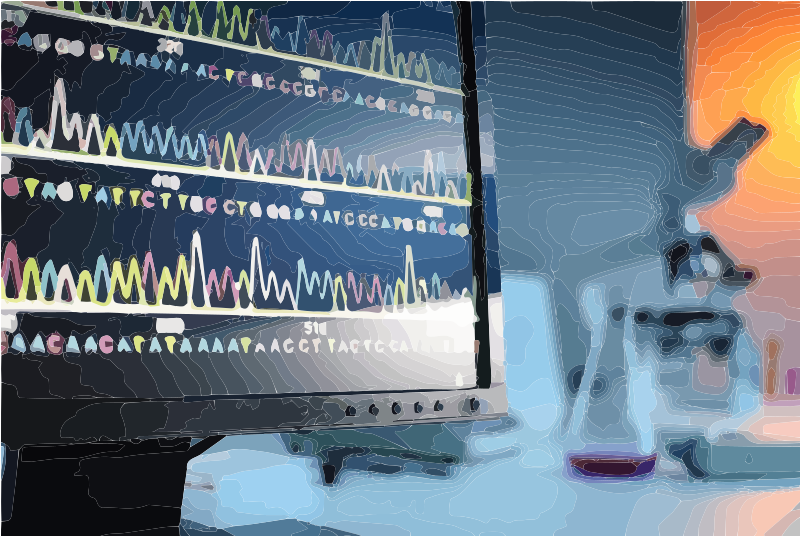
A person's genetic blueprint influences how diseases develop, how medicines are processed, and how the body responds to therapy. Variations in DNA may increase the risk for certain cancers, or affect metabolism of common drugs, or alter the likelihood of long-term remission, or even influence their susceptibility to various metabolic, cardiac, neurological, and autoimmune disorders. Advanced gene testing now allow clinicians to identify the exact variations early, and with pin-point accuracy that improves disease prediction, therapy selection, and even preventing certain conditions before they begin. This increased accessibility means that these insights are now becoming part of everyday clinical practice.
Environment: The World We Live In Matters
Environmental factors can be as powerful as genetics. Air quality, pollution exposure, access to clean water, professional hazards, allergens, UV radiation, and even climatic conditions can shape long-term health.
Lifestyle: Daily Habits Shape Long-Term Wellness
A person's lifestyle aka their diet, sleep, physical activity, stress levels, substance use, travel patterns, work schedules, and social environment affects how diseases manifest and progress.
The Future of Healthcare is Here: Moving Beyond the Average Patient Model
From oncology, cardiology, diabetes, and neurology to rare disorders, we, at Zydus are trying to incorporate essential tools to help us practice precision medicine across various medical disciplines.
Precision medicine refers to the tailoring of medical treatment to the individual characteristics of each patient. It does not literally mean the creation of drugs or medical devices that are unique to a patient, but rather the ability to classify individuals into subpopulations that differ in their susceptibility to a particular disease, in the biology or prognosis of those diseases they may develop, or in their response to a specific treatment. Preventive or therapeutic interventions can then be concentrated on those who will benefit, sparing expense and side effects for those who will not.