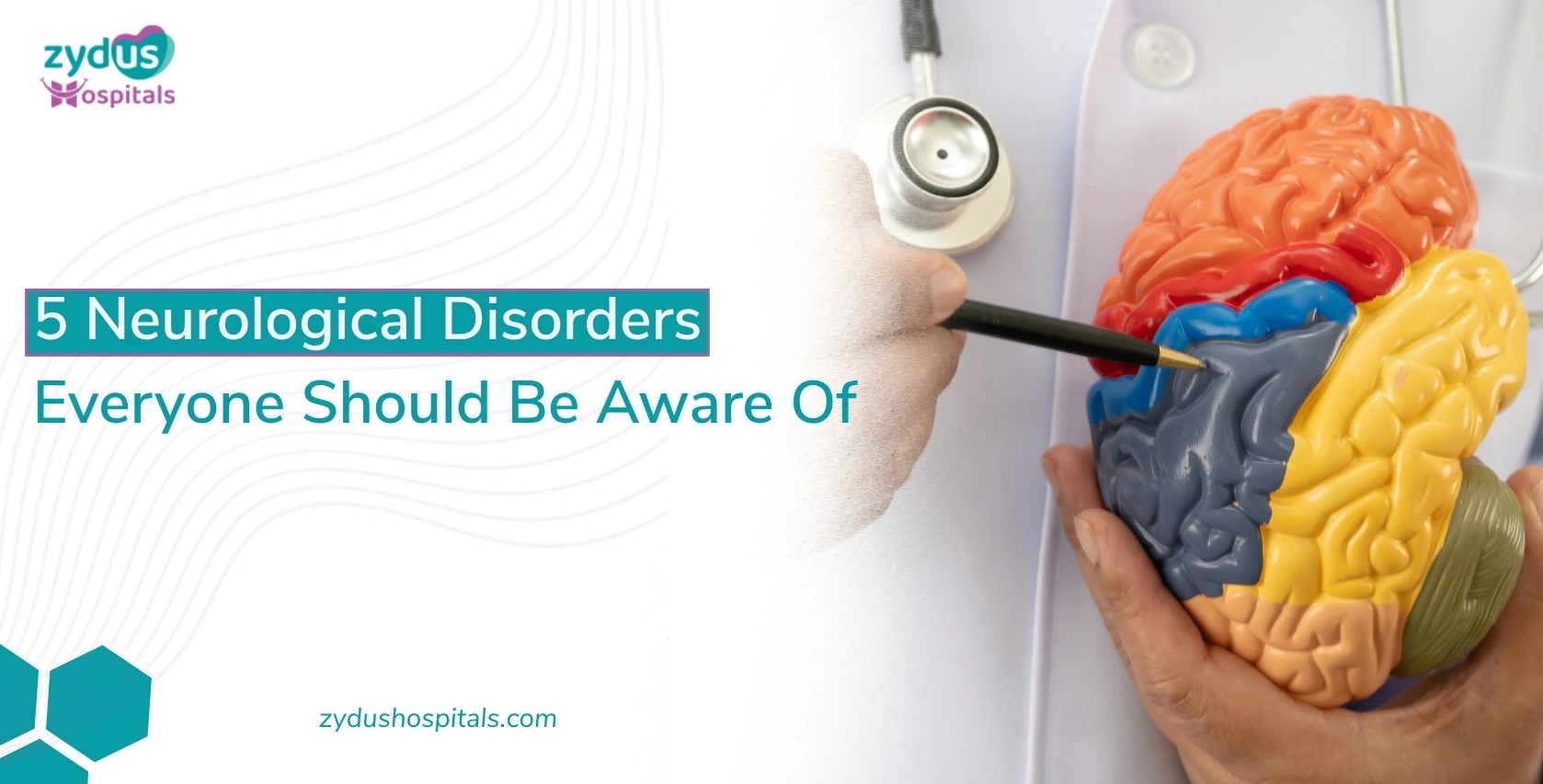
5 Neurological Disorders Everyone Should Be Aware Of
Introduction: Understanding Neurological Disorders and Their Impact
The nervous system controls movement, memory, speech, breathing, balance, and countless other body functions that people often take for granted until something starts to feel different. A persistent tremor, sudden confusion, repeated headaches, or difficulty in walking may sometimes point to problems involving the brain, spinal cord, or nerves.
Neurological disorders can affect people across all age groups. Some may develop slowly over time, while others appear suddenly and require emergency care. In recent years, doctors across the world have seen a growing number of patients dealing with memory-related conditions, strokes, seizure disorders, and movement-related illnesses. Early awareness matters because timely diagnosis can help reduce complications and improve recovery.
What Are Neurological Disorders?
Neurological disorders are conditions that affect the nervous system, including the brain, spinal cord, and peripheral nerves. These conditions can interfere with movement, thinking ability, sensation, coordination, cognition, speech, or behavior.
Some conditions, such as stroke, demand immediate medical attention. Others may need long-term treatment, rehabilitation, and lifestyle support.
Common categories include:
- Degenerative conditions affecting memory and cognition
- Movement disorders
- Seizure-related disorders
- Autoimmune nervous system diseases
- Disorders linked to nerve damage or reduced blood supply to the brain
Common Causes of Neurological Disorders
There is no single cause behind neurological conditions. In many patients, several factors work together.
Some of the common causes of neurological disorders include:
- Genetic or inherited conditions
- Brain infections and inflammation
- Head or spinal injuries
- Poor blood circulation to the brain
- Autoimmune reactions
- Neurogenerative diseases
- Long-term lifestyle factors such as smoking, alcohol use, poor sleep, unmanaged stress, and uncontrolled blood pressure
Age, overall health, and delayed medical care can also influence how these conditions progress.
1. Alzheimer’s Disease: Memory Loss and Cognitive Decline
Alzheimer’s disease is one of the most recognized neurological disorders affecting older adults. It mainly affects memory, thinking ability, and day-to-day functioning.
Family members often notice small behavioral or memory changes long before the condition is diagnosed.
Early Signs and Symptoms of Alzheimer’s
Common Alzheimer’s disease symptoms and treatment concerns include:
- Forgetting recently learned information
- Repeating questions or conversations
- Difficulty managing familiar tasks
- Confusion with dates, places, or directions
- Changes in mood, judgment, or personality
People may initially dismiss these symptoms as normal aging, which is why persistent memory changes should not be ignored.
Causes and Risk Factors
Increasing age is one of the biggest risk factors. Family history, genetics, diabetes, high blood pressure, smoking, and poor cardiovascular health may also increase the chances of developing the disease.
Treatment and Management Options
Although there is no complete cure, early treatment can help slow symptom progression and improve quality of life.
Treatment may involve:
- Medications for neurological disorders that support memory and cognitive function
- Cognitive stimulation activities
- Structured daily routines
- Emotional and behavioral support
- Guidance for caregivers and family members
Consistent support at home often becomes just as important as medical treatment.
At Zydus Hospitals, Ahmedabad, there is a facility for Alzheimer’s Test. Elecsys® Alzheimer’s Disease CSF test for early diagnosis. Elecsys® is an FDA-approved, cutting-edge, automated test that analyses biomarkers in the cerebrospinal fluid (CSF) to provide reliable, safe, and accurate results. This test can accurately detect the onset of AD up to 10 years before any symptom onset, drastically improving patient outcomes. One can touch base with the Lab Department at Zydus and avail this facility. This can help largely in prevention and a dedicated advanced treatment.
2. Parkinson’s Disease: Movement and Coordination Disorder
Parkinson’s disease affects movement and muscle control. Symptoms usually begin gradually and become more noticeable over time.
Early Symptoms of Parkinson’s Disease
Parkinson’s disease symptoms and treatment vary from one patient to another, but some early signs are commonly seen.
These include:
- Tremors in the hands, fingers, or jaw
- Muscle stiffness
- Slowed movement
- Reduced facial expression
- Changes in posture, walking pattern, or speech
Simple daily activities such as buttoning clothes or getting up from a chair may slowly become difficult.
Causes and Risk Factors
Parkinson’s disease develops when dopamine-producing nerve cells in the brain become damaged. Age, family history, environmental exposure, and certain toxins may contribute to the condition.
Treatment and Lifestyle Management
Treatment focuses on improving movement, reducing stiffness, and helping patients remain independent.
Common neurological disorder treatment options include:
- Medications that improve dopamine activity
- Physical and occupational therapy
- Speech therapy
- Regular exercise and mobility training
Daily movement and structured exercise often help patients maintain flexibility and balance.
At Zydus Hospitals, Ahmedabad and Vadodara, there are highly trained experts available to offer treatment for parkinson’s and can also treat other movement disorders.
3. Epilepsy: Seizure-Related Neurological Disorder
Epilepsy is a neurological condition that causes repeated seizures due to abnormal electrical activity in the brain.
Some seizures involve sudden body movements, while others may appear as brief staring spells or temporary confusion.
Common Symptoms of Epilepsy
Symptoms may include:
- Recurrent seizures
- Sudden jerking movements
- Loss of awareness
- Temporary confusion
- Uncontrolled body movements
- Staring episodes
Causes and Triggers
Epilepsy causes and treatment depend on the underlying reason behind seizure activity.
Possible causes include:
- Brain injuries
- Brain infections
- Stroke
- Lack of oxygen to the brain
- Genetic factors
In some individuals, triggers such as sleep deprivation, stress, alcohol use, or flashing lights may increase seizure risk.
Treatment and Seizure Control
Treatment usually aims to reduce seizure frequency and improve patient safety.
Management may involve:
- Anti-epileptic medications
- Lifestyle precautions and trigger management
- Maintaining regular sleep patterns
- Therapy for neurological disorders affecting speech, movement, or emotional wellbeing
Many patients with epilepsy are able to continue work, education, and regular daily activities with proper treatment and monitoring. Epilepsy surgeries are also opted in select cases and there are experts available to treat the disease and offer expertise at Zydus Hospitals including Ahmedabad & Vadodara.
4. Stroke: A Medical Emergency Affecting the Brain
A stroke happens when blood supply to a part of the brain is interrupted. Without timely treatment, brain cells begin to get damaged within minutes.
Warning Signs of Stroke
Recognizing stroke symptoms and treatment needs early can make a major difference in recovery.
The FAST method helps identify warning signs:
- F - Face drooping
- A - Arm weakness
- S - Speech difficulty
- T - Time to seek emergency care
Other symptoms may include sudden dizziness, severe headache, confusion, blurred vision, or loss of balance.
Causes and Risk Factors
Common causes and risk factors include:
- Blood clots
- High blood pressure
- Heart disease
- Diabetes
- Smoking
- High cholesterol and obesity
Ignoring blood pressure and heart health for years can quietly increase stroke risk.
Treatment and Recovery
Stroke treatment depends heavily on how quickly the patient reaches medical care.
Management may involve:
- Emergency medicines to restore blood flow/ Thrombolysis
- Thrombactomy
- A procedure to control the pressure
- Intensive monitoring
- Speech, occupational, and physical therapy
- Neurological rehabilitation treatment
Recovery may continue for several months, especially in patients who need help regaining speech, movement, or coordination.
5. Multiple Sclerosis (MS): Autoimmune Nervous System Disorder
Multiple sclerosis is an autoimmune condition in which the immune system attacks the protective covering around nerves.
Because nerve signals get disrupted, symptoms may affect movement, sensation, balance, or vision.
Early Signs of Multiple Sclerosis
Multiple sclerosis symptoms and treatment differ widely between patients.
Common early symptoms include:
- Numbness or tingling
- Blurred or double vision
- Muscle weakness
- Fatigue that persists even after rest
- Difficulty with balance and coordination
Symptoms may appear, improve for a period, and then return again.
Causes and Risk Factors
The exact cause is not fully understood. Researchers believe immune system dysfunction, genetics, infections, and environmental factors may all contribute.
Treatment and Disease Management
Treatment focuses on slowing disease progression and managing symptoms.
This may include:
- Medications to control immune activity
- Physiotherapy and rehabilitation support
- Fatigue management
- Long-term neurological care planning
Ongoing follow-up care often helps patients manage flare-ups more effectively.
How to Recognize Early Symptoms of Neurological Disorders
Many neurological conditions begin with symptoms that seem minor at first. People may ignore them for weeks or months, especially when symptoms come and go.
Recognizing the early signs of neurological disorders can help patients seek medical care before complications become severe.
General Warning Signs to Watch For
Some brain disorder symptoms that should not be ignored include:
- Persistent headaches or dizziness
- Sudden memory or behavioral changes
- Difficulty speaking clearly
- Tremors or unusual body movements
- Numbness or weakness in the limbs
- Problems with balance or coordination
A symptom that repeatedly interferes with normal daily life deserves medical attention.
When to Seek Medical Attention
Medical evaluation becomes important when symptoms appear suddenly, continue worsening, or start affecting daily activities.
People should consult a neurologist if they experience:
- Recurrent seizures
- Sudden weakness or facial drooping
- Ongoing confusion or memory decline
- Persistent movement difficulties
- Unexplained vision changes or numbness
Timely evaluation at a neuro hospital in Ahmedabad or neuro hospital in Vadodara, Anand can help identify neurological conditions earlier and guide appropriate treatment.
Prevention and Brain Health Tips
Not every neurological condition can be prevented, but healthy habits may lower risk and support better brain function over time.
Lifestyle Changes for Neurological Health
Brain health and neurological care are closely linked with daily lifestyle choices.
Helpful habits include:
- Eating a balanced diet rich in fruits, vegetables, and healthy fats
- Exercising regularly
- Managing stress levels
- Maintaining good sleep quality
- Monitoring blood pressure, diabetes, and cholesterol
Understanding how to prevent neurological disorders often starts with paying attention to overall health.
Protecting Brain Function Long-Term
Keeping the brain active is important at every stage of life.
Activities that may support cognitive health include:
- Reading and learning new skills
- Solving puzzles or memory exercises
- Staying socially active
- Avoiding smoking and excessive alcohol use
- Attending regular health check-ups
Access to experienced neurological care, rehabilitation support, and timely medical guidance can make long-term management easier for patients living with nervous system diseases.
Why Early Neurological Care Matters
Neurological symptoms are often delayed, ignored, or mistaken for routine stress and fatigue. Seeking medical evaluation early can help detect underlying conditions before they become more difficult to manage.
A neuro hospital in Ahmedabad equipped with advanced diagnostic technology, rehabilitation support, and multidisciplinary neurological care can help patients receive timely evaluation, treatment planning, and long-term monitoring for complex brain and nerve-related conditions.
Conclusion: Stay Informed and Protect Your Brain Health
Neurological conditions can affect memory, movement, speech, independence, and emotional wellbeing. Paying attention to unusual symptoms and seeking medical advice early can help prevent complications and support better recovery.
Conditions such as stroke, epilepsy, Parkinson’s disease, and Alzheimer’s disease often need long-term care, rehabilitation, and lifestyle adjustments. Early diagnosis, consistent follow-up, and patient awareness remain important parts of treatment.
For patients and families navigating these conditions, access to timely neurological treatment in Zydus Hospital, supportive rehabilitation services, and experienced medical care can help improve long-term quality of life.
There is a largest neuro team available at Zydus Hospitals group, with nearly 13 neuro experts in Ahmedabad and 13 in Vadodara, and more than 6 in Anand providing comprehensive neuro care right from simple headaches to complex Brain and Spinal tomours.
FAQs About Neurological Disorders
1) What are the most common neurological disorders?
Some of the common neurological disorders include Alzheimer’s disease, Parkinson’s disease, epilepsy, stroke, and multiple sclerosis.
2) Can neurological disorders be prevented?
Not all neurological conditions can be prevented, but healthy lifestyle habits and regular health monitoring may help reduce certain risks.
3) What are the early signs of brain disorders?
Common warning signs include persistent headaches, memory changes, dizziness, tremors, seizures, numbness, and coordination difficulties.
4) When should I consult a neurologist?
You should seek medical advice if symptoms are sudden, recurring, progressive, or interfering with normal daily activities.