IVF Care
- Medical Specialities
- Obstetrics, IVF, Gynec and Gynec-Onco
- IVF
-
IVF
-
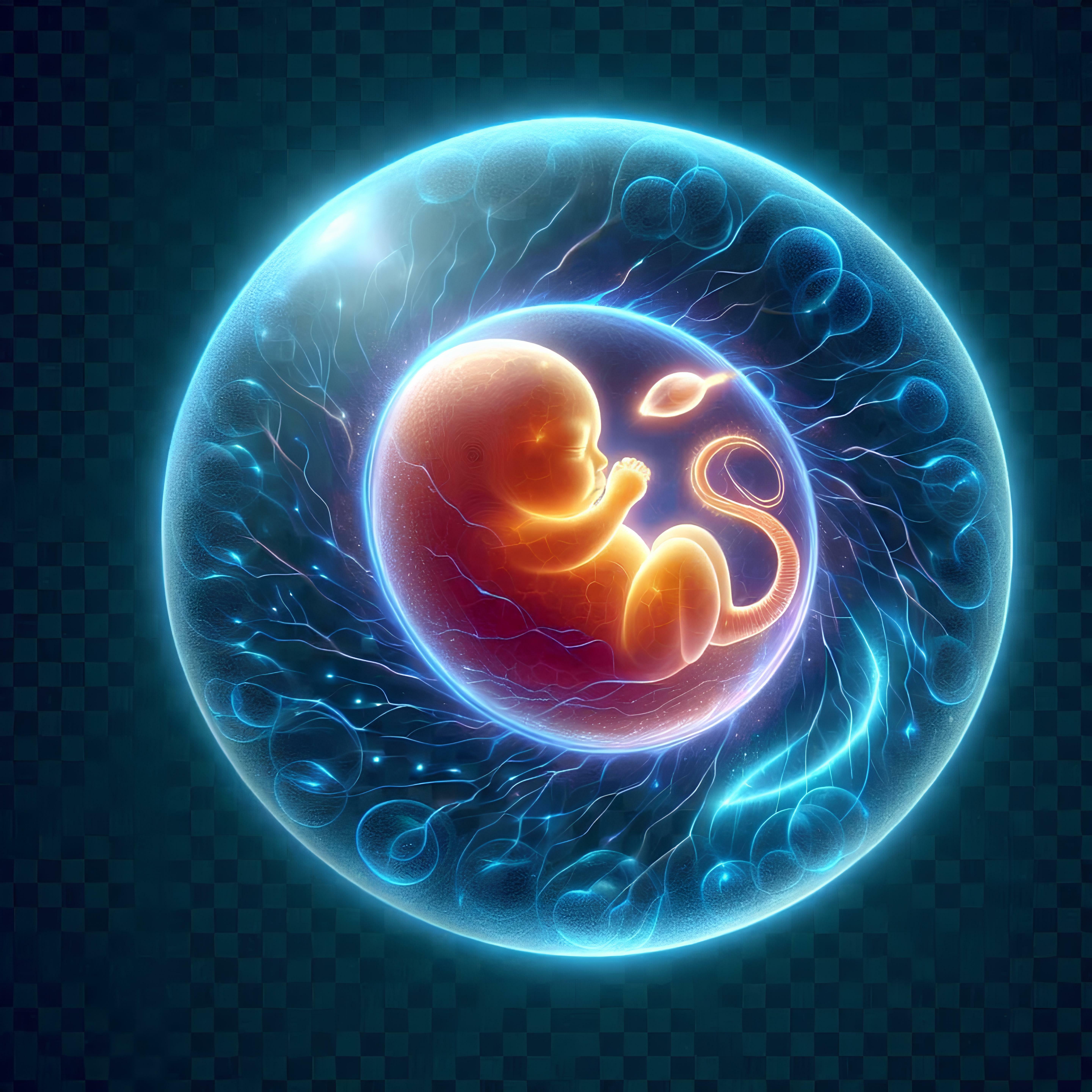
In Vitro Fertilization (IVF) means a series of procedures to conceive. This method can be used if fertility treatments have failed, one has blocked tubes or a very low egg or sperm count, or after at least a year of trying for conception or pregnancy for a couple. It starts with the second day of the menstrual cycle where hormone injections are given to the would-be mother. This is approximately given for 10-12 days and ovum formulation is being observed. The sonography and hormone reports will disclose the status of the ovum formulation. If this process is successful, then all the eggs will be aspirated under the general anesthesia. Further, this fluid will be transferred to the test tube in the embryology lab. The eggs will be assessed under the microscope. After the assessment of eggs, the fertilization process will be done with the help of sperm. This process is known as Intra-Cytoplasmic Sperm Injection (ICSI). After this, the sperm and eggs are placed in an incubator. Subsequently based on the condition of the embryo, the assessment is done and a further process, where the embryos are placed back in the womb with or without anaesthesia.
-
At Zydus, there is a huge team of IVF specialists and the senior most is a pioneer in North Gujarat. They as a team have handled endless patients and given this beautiful gift of parenthood to thousands of patients. People from across the world come to Zydus for IVF and have gone back with shining smiles.
-